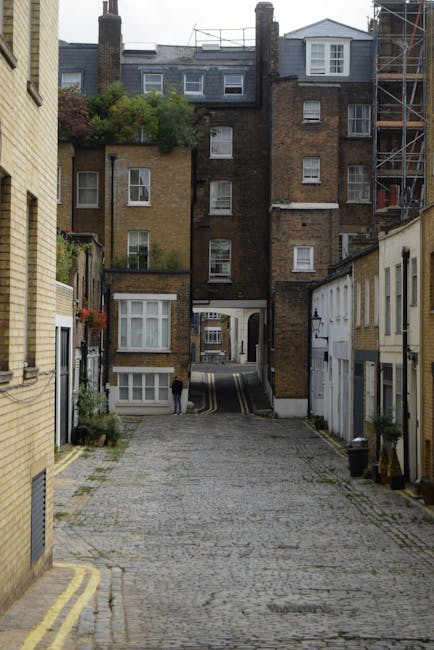
Belgravia Apartment Removals Tips for Narrow Streets
Moving out of a Belgravia apartment can feel deceptively simple on paper, then suddenly very not simple when you're faced with a tight mews, a one-way street, a parking restriction, and a sofa that seems to have grown overnight. Belgravia apartment removals tips for narrow streets matter because the area's elegant buildings, limited kerb space, and busy London traffic can turn a normal move into a logistics puzzle. The good news? With the right preparation, the right vehicle, and a calm plan, you can make the day run smoothly rather than chaotically. This guide walks you through the practical steps, the common mistakes, and the small details that make a big difference.
If you're planning a flat move, it also helps to understand what professional flat removals usually involve, especially where stairs, shared entrances, and tight access are part of the picture. Let's get into it.
Table of Contents
- Why Belgravia apartment removals tips for narrow streets Matters
- How Belgravia apartment removals tips for narrow streets Works
- Key Benefits and Practical Advantages
- Who This Is For and When It Makes Sense
- Step-by-Step Guidance
- Expert Tips for Better Results
- Common Mistakes to Avoid
- Tools, Resources and Recommendations
- Law, Compliance, Standards, or Best Practice
- Options, Methods, or Comparison Table
- Case Study or Real-World Example
- Practical Checklist
- Conclusion
- Frequently Asked Questions
Why Belgravia apartment removals tips for narrow streets Matters
Belgravia is beautiful, but beauty and moving day don't always get along. Narrow roads, controlled parking, delivery restrictions, and busy neighbours all make access a core part of the job. If you ignore access, the move can start drifting off course before the first box is lifted.
In a narrow street, the issue is rarely just the width of the road. It's the whole picture: where the vehicle can stop, whether the lift is large enough, whether there's room to turn, and how far the team must carry items. A two-minute delay at the kerb can become a fifteen-minute delay if the van has to circle the block. And in central London, that adds pressure fast.
There's also the human side of it. Residents in shared buildings may be coming and going, concierge teams may have rules for access, and your move may need to work around school runs, bin collections, or neighbour parking. Truth be told, a smooth move in Belgravia is often less about strength and more about sequencing.
That is why planning matters so much. The right approach protects your furniture, keeps the day moving, and reduces stress for everyone involved. It also helps you choose between a standard moving vehicle, a man and van setup, or a larger moving team depending on what the street can realistically handle.
How Belgravia apartment removals tips for narrow streets Works
The moving process in a narrow Belgravia street usually starts well before moving day. First, you map the access: street width, parking options, building entry, lift size, stairs, and any objects that may need dismantling. Then you decide the vehicle size and the loading method. That decision matters more than most people expect.
For example, a smaller van may be easier to position on a tight road, but it might require more trips. A larger vehicle may reduce shuttling, but it may also be harder to park safely without blocking traffic. There's no perfect answer for every move. There is only the best fit for your situation.
Next comes packing. Boxes should be strong, consistent in size where possible, and labelled clearly. Heavy items need to stay in smaller boxes so they are liftable on stairs. Fragile items need cushioning, but not so much that they become awkwardly shaped and difficult to stack. If you need help with materials or packing support, the service information on packing and boxes and packing and unpacking services can be useful for planning the job properly.
On the day itself, the team usually works in phases: protect surfaces, bring out the easy items first, move large furniture in the most practical order, and keep the loading route clear. In narrow streets, a smooth chain of tiny decisions is what keeps the whole thing from wobbling.
Key Benefits and Practical Advantages
When you handle a Belgravia move well, the benefits are very concrete. You save time, reduce the chance of damage, and avoid the awkward moment where the driver is blocking half the street while everyone looks on. Not ideal.
- Less lifting pressure: Better planning reduces unnecessary carrying distances.
- Lower damage risk: Furniture is less likely to catch on bannisters, door frames, or tight corners.
- Fewer delays: Pre-booked parking, timed loading, and a sensible vehicle choice keep the day on track.
- Better neighbour relations: Clear communication helps avoid complaints and last-minute tension.
- More accurate pricing: A properly assessed move is easier to quote fairly.
There's another advantage people miss: confidence. Once the access plan is clear, the move stops feeling like a mystery. You know what is happening, who is doing what, and where the pressure points are.
That matters a lot in a place like Belgravia, where homes are often stylish, compact in the wrong places, and not always designed with modern removal logistics in mind. A good plan gives you breathing room.
Who This Is For and When It Makes Sense
This advice is for anyone moving in or out of a Belgravia apartment where the street is narrow, the parking is limited, or the building access is just a bit fiddly. That includes professionals moving into a pied-a-terre, long-term residents relocating within Westminster, landlords arranging a turnover, and families moving between flats.
It also applies if your move includes awkward items like wardrobes, mirrors, artwork, or musical instruments. For something especially delicate or heavy, such as a grand piano, specialised handling may be needed; that is where piano removals become relevant rather than forcing a general-purpose approach.
If you're moving out of a furnished flat, or need help clearing items before handover, you may also find furniture removals and furniture pick up relevant. Small jobs can still be complicated if access is tight. That's the irony of city moves, really.
This is especially sensible for people who:
- live on a street with limited stopping space
- have no private driveway or loading bay
- share entrances, lifts, or stairwells
- need to move during a restricted time window
- have multiple bulky items or fragile belongings
- want to avoid dragging boxes long distances on foot
Step-by-Step Guidance
1. Survey the access properly
Walk the route from the apartment to the vehicle space. Check the doorway, hallway width, stair turns, lift dimensions, and the pavement outside. A route that looks fine from memory can be much tighter when you are carrying a mattress at shoulder height. Funny how that happens.
If possible, measure the widest furniture items and compare them against the tightest part of the route. Don't forget radiators, wall corners, and awkward lamp fittings. The move itself is not usually the problem; it's the first awkward corner that causes the wobble.
2. Choose the right vehicle and loading approach
For some Belgravia streets, a smaller van is the smartest option because it can stop more easily and reduce obstruction. For larger apartment moves, a bigger vehicle may still be the best overall choice if it can be positioned safely and legally. If you are unsure, look at removal van options alongside removal services so you can match the vehicle to the access conditions.
The aim is not simply to use the largest van possible. The aim is to use the right one. In narrow streets, that distinction saves time and, occasionally, your temper.
3. Arrange parking and timing early
Parking is often the silent bottleneck. If the vehicle cannot stop close enough, every item takes longer. Try to schedule the move at a calmer time of day, avoid obvious traffic peaks where possible, and make sure the driver knows exactly where the entrance is. A missed turn in Belgravia can mean a surprisingly awkward loop around nearby streets.
It also helps to think about building rules. Some apartment blocks require notice for move-ins and move-outs, or want to reserve lifts. Those small admin tasks are not glamorous, but they save real time.
4. Pack for narrow access, not just for storage
Boxes for a narrow-street move need to be liftable, stackable, and balanced. Overfilled boxes are a bad idea because they become harder to carry through tight spaces. Underfilled oversized boxes are almost as annoying because they collapse under weight and shift around in the van.
A practical rule: heavy items go into smaller boxes; light but bulky items can go into larger boxes. If you are packing books, kitchenware, or files, keep the weight sensible. Your back will thank you, and the removal team probably will too.
5. Protect the property before anything moves
Hallways in Belgravia apartments can be elegant, and elegance does not pair well with scuffed paintwork. Protect floors, corners, bannisters, and door frames. This is particularly important if you are moving out of a lease property and want to leave things in respectable condition.
A quick pre-move check can catch a lot: loose screws on furniture, wobbly shelving, unlatched drawers, and items that need wrapping before they are lifted. It sounds basic, but basic things prevent most damage.
6. Load in the right order
Heavy and solid items usually go in first, with lighter boxes filling the spaces around them. Fragile items should be positioned where they are least likely to be crushed. Large furniture should be padded and secured so it cannot shift during short urban trips with stop-start traffic. London roads can be a bit jerky, even on a short run.
If storage is part of your plan because the new place is not ready, or because you are staging the move in stages, take a look at storage as part of the wider move plan.
Expert Tips for Better Results
In our experience, the best Belgravia moves are the boring ones. Boring means predictable. Predictable means fewer surprises. That's the real win.
- Use a floor plan: Mark where large furniture will go before the team arrives. It speeds up unloading and reduces back-and-forth.
- Pre-dismantle where sensible: Beds, tables, and some wardrobes are much easier to move in parts.
- Keep essentials separate: Documents, chargers, medication, keys, and a kettle should not disappear into a random box mountain.
- Label by room and priority: "Kitchen - first use" is better than "misc." every time.
- Tell the mover about weak points: If a cabinet door sticks or a mirror frame is fragile, say so early.
Another useful tip: keep hallways clear before the team arrives. A clean route is worth its weight in gold when you're turning a sofa through a tight landing.
And don't forget the tiny things. Door stops, furniture pads, and basic wrap can save a lot of awkward repositioning. Not glamorous. Very effective.
Common Mistakes to Avoid
Most moving problems in narrow Belgravia streets are avoidable. Here are the usual culprits.
- Assuming the van can park anywhere. It often can't. Narrow streets need proper planning, not hope.
- Choosing boxes that are too big. They become too heavy, too fragile, or both.
- Not measuring furniture. If it barely fit in the flat, it may not magically cooperate on the way out.
- Ignoring building rules. Lift booking, noise restrictions, and loading instructions matter.
- Leaving packing until the last night. Everyone says they won't do this. Many do. It gets messy fast.
- Forgetting to communicate access details. A mover cannot guess which entrance is the correct one if there are three similar doors.
One more common slip: not planning for the weather. A damp pavement, a bit of rain, or a slippery threshold can slow everything down. In London, it can go from dry to drizzle in what feels like five minutes. Classic.
Tools, Resources and Recommendations
You do not need a warehouse full of kit, but a few items make narrow-street apartment removals much easier.
- Strong moving boxes: Consistent sizes stack better and are easier to carry.
- Bubble wrap and paper wrap: Useful for glass, frames, and ceramics.
- Furniture blankets: Great for protecting wood, paint, and corners.
- Stretch wrap: Handy for keeping drawers shut and protecting upholstered items.
- Tape and markers: Basic, but essential for clear labelling.
- Door protection and floor covers: Especially useful in shared apartments or period buildings.
For broader moving support, you may want to compare man with van and removals depending on the size of the job and how tight the access is. A smaller, flexible option can work brilliantly for compact flat moves, while a full removals team is usually better for larger household contents or more fragile items.
If your move is urgent, same day removals may be relevant, but be realistic. Narrow streets do not forgive rushed planning. They really don't.
Law, Compliance, Standards, or Best Practice
For a Belgravia apartment move, compliance is mostly about common-sense operating standards and respectful use of public space. That means checking parking arrangements, avoiding obstruction where possible, and following building instructions. If your vehicle needs to stop on a busy road, the team should plan it carefully and keep disruption as low as possible.
It is also sensible to work with a provider that has clear policies around safety, insurance, and secure payments. You can review insurance and safety, health and safety policy, and payment and security to understand how a professional service approaches the job. Those pages help set expectations, which is always a good thing.
Best practice also includes honest quoting. A proper assessment should reflect access difficulty, parking considerations, loading distance, and the amount of dismantling or packing support needed. If a quote looks too neat to be true, ask what it includes. That is not being difficult; it is being sensible.
For business relocations in the same area, the stakes can be different. Office moves and apartment moves are not identical, but they share the need for careful access planning. If your job involves commercial premises, commercial moves and office removals may be the better fit.
Options, Methods, or Comparison Table
Below is a practical comparison of common approaches for moving from a Belgravia apartment with narrow-street access.
| Method | Best for | Pros | Trade-offs |
|---|---|---|---|
| Small van with manual loading | Compact flats, short distances, limited parking | Easier to position, flexible in tight streets | May need multiple trips |
| Full removals team | Larger apartments, more furniture, fragile items | Faster loading, better handling, more coordination | Requires more planning and usually more space |
| Storage-led move | Staged relocations, gap between properties, decluttering | Reduces pressure on move day, works around delays | Requires extra handling and timing |
| Same-day move | Urgent situations, last-minute changes | Fast response, practical in a pinch | Less room for error, more dependent on access |
The best method depends on the property, the amount to move, and the street outside. There is no universal answer, despite what some moving advice pages seem to imply. Real moves are messier than that.
Case Study or Real-World Example
Picture a second-floor apartment near a narrow Belgravia street. The resident has a sofa, a dining table, three book boxes, a bed frame, a mirror, and a few awkward lamps. The road is too tight for casual stopping, and the building lift is small enough to make everyone hold their breath for a moment.
Instead of trying to do everything in one go without a plan, the move is broken down into stages. First, the large items are measured. The bed frame is dismantled the night before. Fragile items are wrapped and labelled clearly. Parking is checked in advance, and the team arrives with a vehicle suited to the street rather than just the load.
On the day, boxes are brought down first, then furniture follows in a logical order. Hallways are protected, the route stays clear, and the team avoids having to reposition the van repeatedly. The whole thing still takes effort, of course. But it feels controlled instead of frantic.
That is really the goal in a narrow-street move: not perfection, just control. And a bit of breathing space helps everyone.
Practical Checklist
Use this checklist a day or two before moving.
- Confirm the exact move date and access window
- Measure large furniture and note awkward corners
- Check lift size, stair turns, and entrance width
- Arrange parking or stopping plans in advance
- Tell the mover about shared entrances or concierge rules
- Pack heavy items into smaller boxes
- Label boxes by room and priority
- Protect floors, door frames, and bannisters
- Separate valuables, documents, and essentials
- Plan for weather, especially if items will wait on the pavement
- Decide whether storage may be needed
- Keep keys, phones, and building access details with you
If you want to understand the broader business behind a removal provider before booking, pages like about us, recycling and sustainability, and terms and conditions can offer useful reassurance. A good moving experience is usually built on transparency as much as muscle.
Conclusion
Belgravia apartment removals tips for narrow streets come down to one principle: respect the access. Measure properly, choose the right vehicle, pack with care, and plan for the street as well as the flat. When you do that, the move becomes more manageable, less stressful, and far less likely to turn into a last-minute scramble.
It does not need to be a perfect day. It just needs to be a well-prepared one.
Get a free quote today and see how much you can save.
With the right plan, even a narrow street can feel a lot more spacious than it first looked.
Frequently Asked Questions
What is the biggest challenge with Belgravia apartment removals on narrow streets?
The biggest challenge is usually access, not the packing itself. Limited parking, tight turning space, and short stopping windows can slow everything down if they are not planned in advance.
Should I choose a small van or a larger removals vehicle?
It depends on the street, the amount to move, and how far the team will need to carry items. A smaller van can be easier to park, while a larger vehicle may reduce trips. The right choice is the one that fits the access, not just the load.
How far in advance should I plan a move in Belgravia?
As early as you can, especially if you need parking coordination, building permission, or lift access. Even a small apartment move benefits from a proper run-through a few days before.
Do I need to dismantle furniture before moving day?
Not always, but it helps for beds, tables, and bulky wardrobes. If a piece is awkward in a corridor or stairwell, taking it apart can save time and reduce damage risk.
What should I do if there is no parking outside the apartment?
Check whether a nearby legal stopping point is available and let the mover know early. A realistic access plan is better than assuming the driver will improvise on the day.
Are same-day removals suitable for narrow Belgravia streets?
Sometimes, yes, but only if the access is straightforward or already well understood. Same-day moves leave less room for planning, so they work best when the route and vehicle needs are clear.
How do I protect a period property during the move?
Use floor coverings, protect corners and bannisters, and keep the route clear. Period buildings often have tighter layouts and more delicate finishes, so a little protection goes a long way.
Can storage help with a Belgravia flat move?
Yes. Storage can make a move much easier if the new property is not ready, if you are downsizing, or if you want to shift items in stages rather than all at once.
What if I have fragile or valuable items?
Tell the removals team early and pack those items separately with extra protection. Mirrors, artwork, antiques, and electronics usually need a slower, more careful approach.
Is packing service worth it for a small apartment move?
It often is if you are short on time, have delicate belongings, or simply do not want the stress of packing around access issues. A well-packed flat is usually easier to move, full stop.
How do I know if a removals quote is fair?
A fair quote should reflect access difficulty, the amount of furniture, packing needs, and any special handling. If the street is narrow and the building is tricky, those details should be included rather than glossed over.
Who should I contact if I need more information before booking?
If you want to discuss access, timing, or the right moving setup, use the site's contact us page to ask specific questions. A good provider will want the details before moving day, not after.